Published: January 5, 2026
Most travelers approaching 2026 cruise planning believe the difference between a great cruise and a compromised one comes down to when they book.
It does not.
For 2026 sailings — especially Alaska, the Mediterranean, and Japan — another important factor is access: access to the right cabins, well-matched routing, and land extensions that enhance the experience rather than complicate it.
As availability changes, some of the options that best fit a particular trip can disappear. That’s why planning isn’t only about finding a sailing date or waiting for a promotion. It’s about understanding which parts of the trip matter enough to secure while you still have meaningful choices.
Alaska: Choice Shapes the Experience
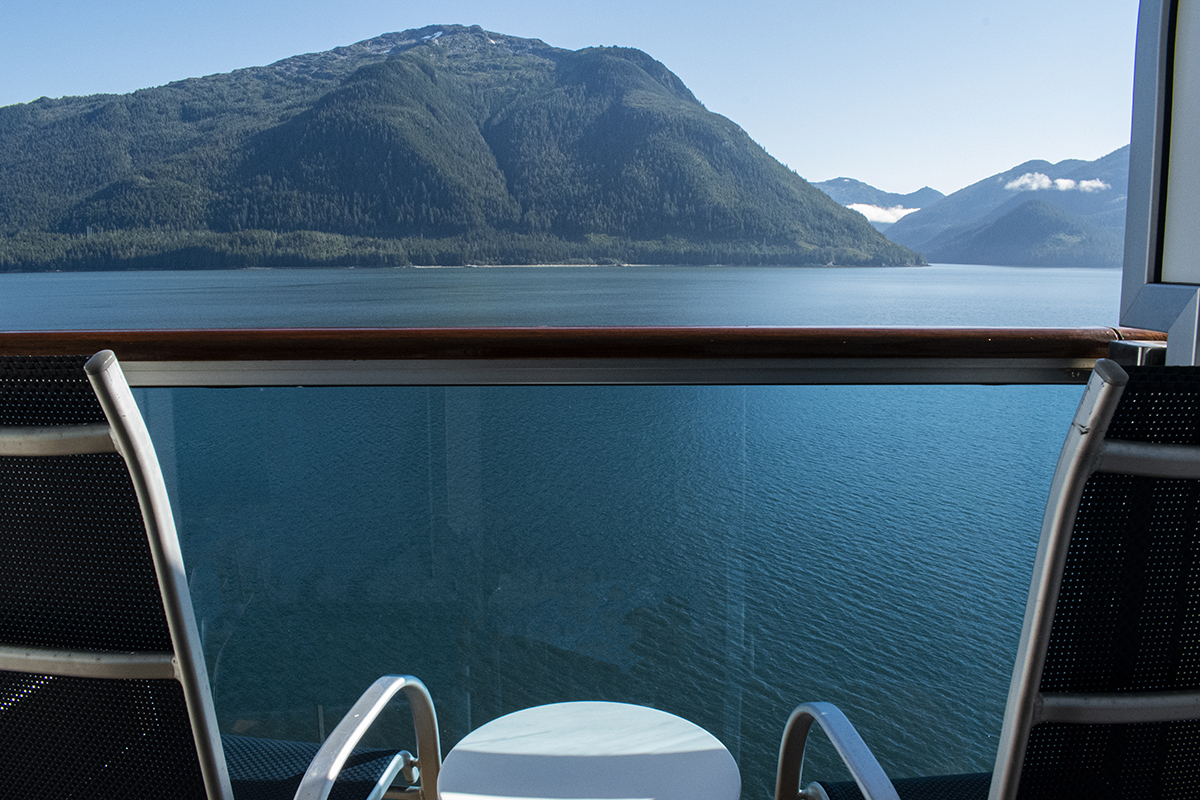
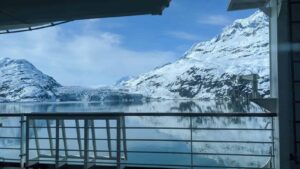
In Alaska, cabin choice can shape how glaciers, wildlife, and long scenic sailing days are experienced.
A balcony gives you private access to the view throughout the day, while other travelers may decide that an oceanview or interior cabin combined with the ship’s public observation areas is a better use of their trip budget.
The important part is making that decision intentionally rather than discovering later that the cabin you chose doesn’t support the way you wanted to experience Alaska.
For travelers planning Alaska in 2026, waiting can reduce the range of cabin categories and locations available. Planning earlier doesn’t mean automatically choosing the most expensive cabin. It means having enough choice to select the one that fits. That’s why choosing an Alaska cruise cabin is about more than simply comparing cabin prices.
Mediterranean: Routing Wins Over Dates
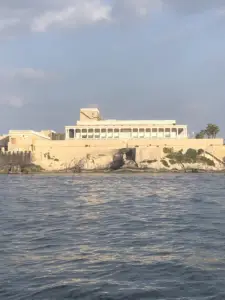
In the Mediterranean, itinerary quality can matter more than simply choosing a date on the calendar.
The ports included, their order, the amount of time ashore, and where the cruise begins and ends can substantially change the rhythm of the trip.
Strong routing can create better pacing, fewer rushed days, and a more balanced experience. It’s one example of why the cruise experience can differ from what travelers expect when they focus on the headline itinerary without looking at how the sailing actually works.
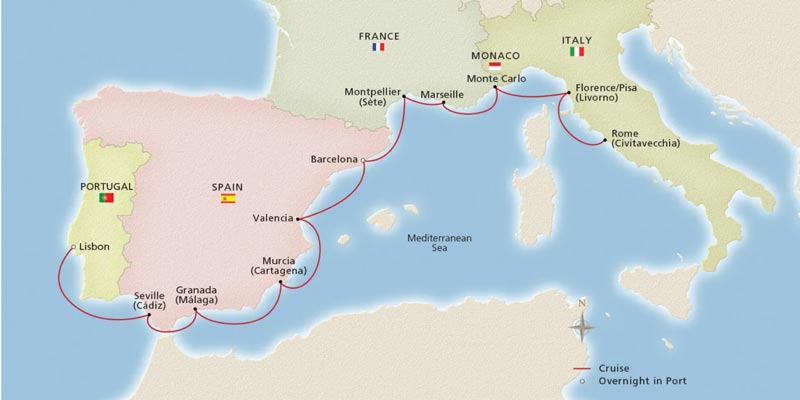
Adding time on land before or after the cruise can also improve cultural context and the overall flow of the trip. But hotels, transportation, and cruise timing need to work together.
That is another form of access: having enough options available to build the cruise and land portions as one trip instead of piecing together whatever remains.
Japan: Complexity Rewards Early Structure
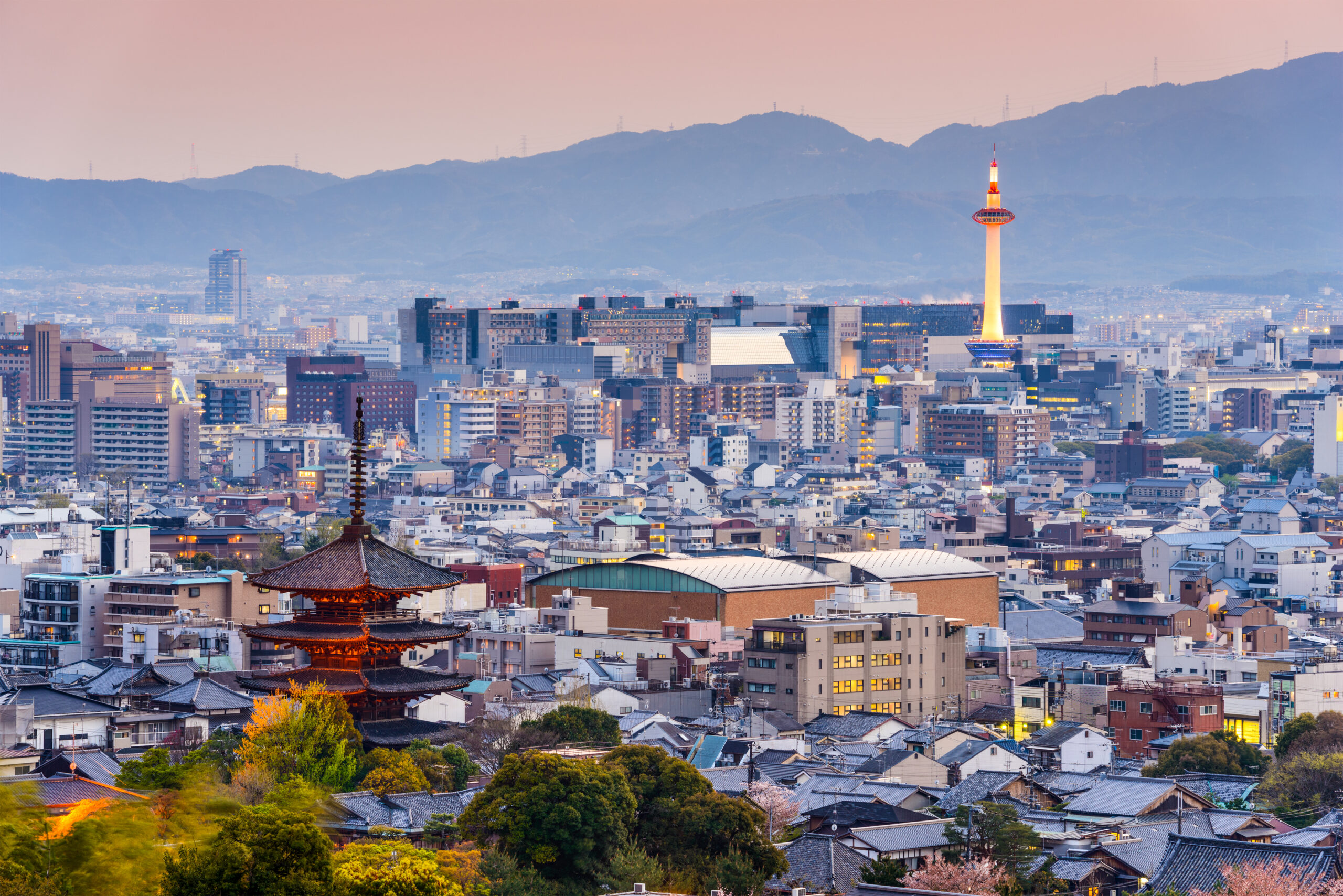
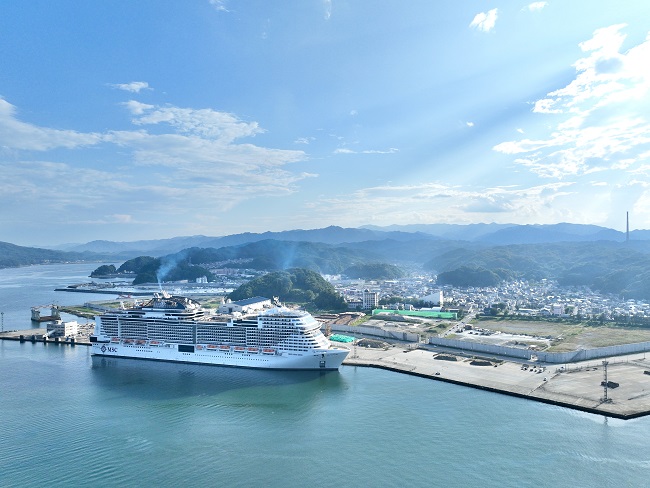
In Japan, cruise travel can work especially well when port arrivals and departures are considered alongside the land portion of the trip.
Hotels, rail transportation, sightseeing, luggage logistics, and the cruise itself can all become part of the same itinerary.
Cities such as Kyoto can add depth and cultural context when land stays are integrated thoughtfully with the cruise rather than treated as an afterthought.
The more moving pieces a trip has, the more useful it becomes to structure those pieces together while there are still reasonable choices available.
Why Access Matters More Than Timing
Planning early does not mean committing blindly.
It means understanding which choices have the greatest effect on your trip and making those decisions while you still have options.
For Alaska, that might be cabin category and location. In the Mediterranean, it may be itinerary routing and the ability to add time on land. In Japan, it can mean coordinating the cruise with hotels, transportation, and a more complex land itinerary.
Those considerations are also part of the larger picture of planning travel for 2026, where availability, pacing, and trip design can affect which choices remain open.
The common thread isn’t simply timing. It’s access to the choices that fit the trip you actually want to take.