Updated for 2027
An Alaska Inside Passage cruise combines something many travelers want from Alaska: dramatic scenery, wildlife, coastal communities, and glacier experiences within one itinerary.
Alaska’s Inside Passage extends roughly 500 miles along the Pacific coast. The region is shaped by islands, channels, fjords, forests, mountains, and tidewater glaciers, with much of the landscape covered by the Tongass National Forest.
Rather than treating Alaska as a destination you simply arrive at, an Inside Passage cruise makes the route itself part of the experience. Scenic cruising can begin well before the ship reaches a port.
For travelers comparing 2027 Alaska cruises, that’s also why the itinerary deserves as much attention as the ship. Departure port, glacier access, port time, cabin choice, and whether you want to add a land portion can substantially change the trip.
What Is the Alaska Inside Passage?
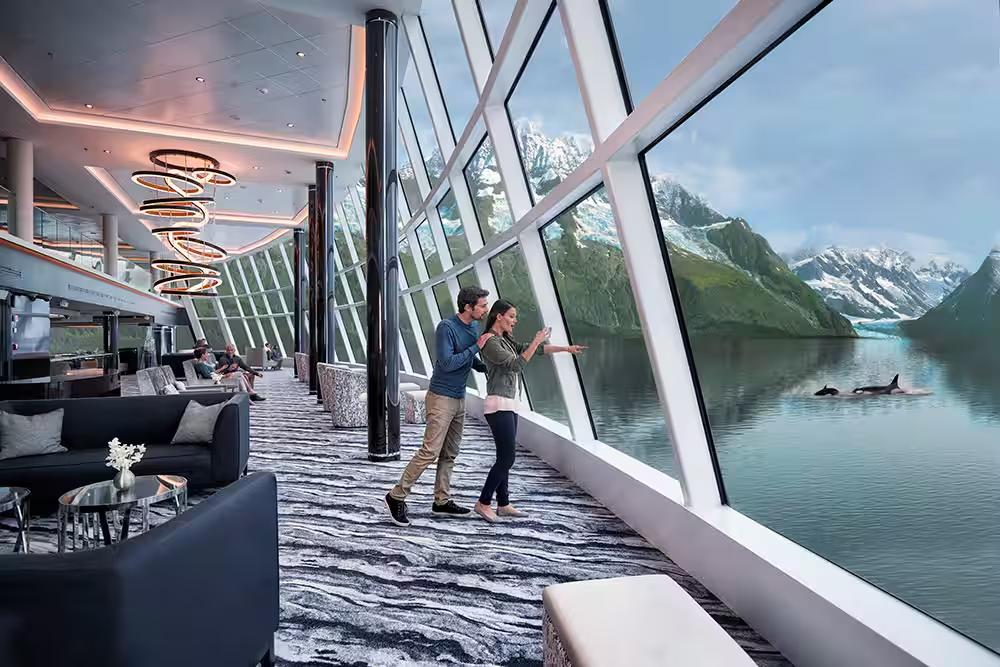
The Inside Passage is a coastal route through the islands and waterways of Southeast Alaska and British Columbia. Hundreds of islands provide protection from the open Pacific along portions of the route, although the exact sailing conditions depend on the itinerary and departure port.
A large portion of Alaska’s Inside Passage is within the Tongass National Forest, the largest national forest in the United States. Its temperate rainforest, waterways, mountains, and coastal habitat help create the scenery travelers associate with Southeast Alaska.
You aren’t only cruising to Alaska. The route through Southeast Alaska is part of the experience.
Seattle, Vancouver, or a One-Way Alaska Cruise?
For 2027, travelers comparing major Alaska cruises will continue to find several itinerary structures, including roundtrip sailings from Seattle and Vancouver and one-way cruises between Vancouver and Southcentral Alaska.
Roundtrip Seattle
- Convenient for many U.S. travelers
- Roundtrip airfare can simplify logistics
- Routing may include more open-water sailing than some Vancouver departures
Roundtrip Vancouver
- Can provide more protected Inside Passage sailing, depending on the itinerary
- Offers routing through British Columbia’s coastal waterways
- Requires planning for travel to and from Canada
One-way or cross-Gulf itineraries
- Travel between Vancouver and Southcentral Alaska, including Whittier on major 2027 itineraries
- Can work especially well when adding a pre- or post-cruise Alaska land experience
- Require more transportation planning because the cruise begins and ends in different places
The departure port matters, but it shouldn’t be considered in isolation. Glacier access, ports, time ashore, sailing route, and any land plans should all be compared together.
Ports You May See on an Inside Passage Cruise
Inside Passage itineraries vary by cruise line and sailing. Common ports in 2027 programs include Juneau, Ketchikan, Skagway, Sitka, Haines, and Icy Strait Point/Hoonah.
Juneau
Alaska’s capital is accessible by air or sea rather than by a road connecting it to the rest of the state. Depending on your interests and available port time, experiences can include:
- Mendenhall Glacier
- Whale-watching excursions
- Flightseeing and helicopter excursions
- Hiking, wildlife, and cultural experiences
Ketchikan
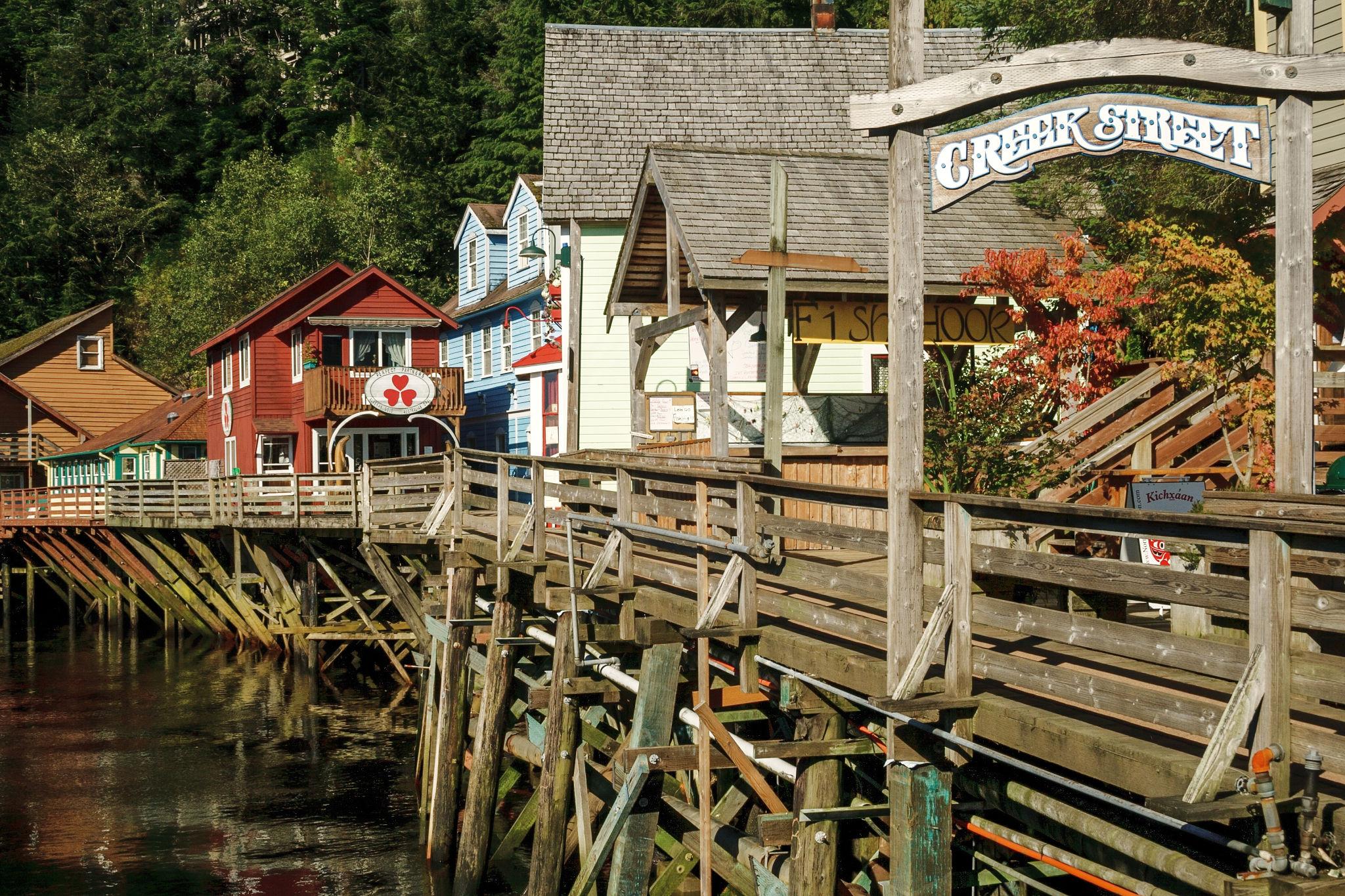
Ketchikan is known for its waterfront setting, Alaska Native culture, historic Creek Street, and access to the surrounding temperate rainforest.
Rain is part of Southeast Alaska travel, so waterproof layers and appropriate footwear belong on the packing list regardless of the month you sail.
Skagway
Skagway’s Gold Rush history is still central to the port experience. The White Pass & Yukon Route Railway is one of its best-known excursions, taking travelers through mountain terrain associated with the Klondike Gold Rush.
Glacier Access Can Change the Alaska Cruise
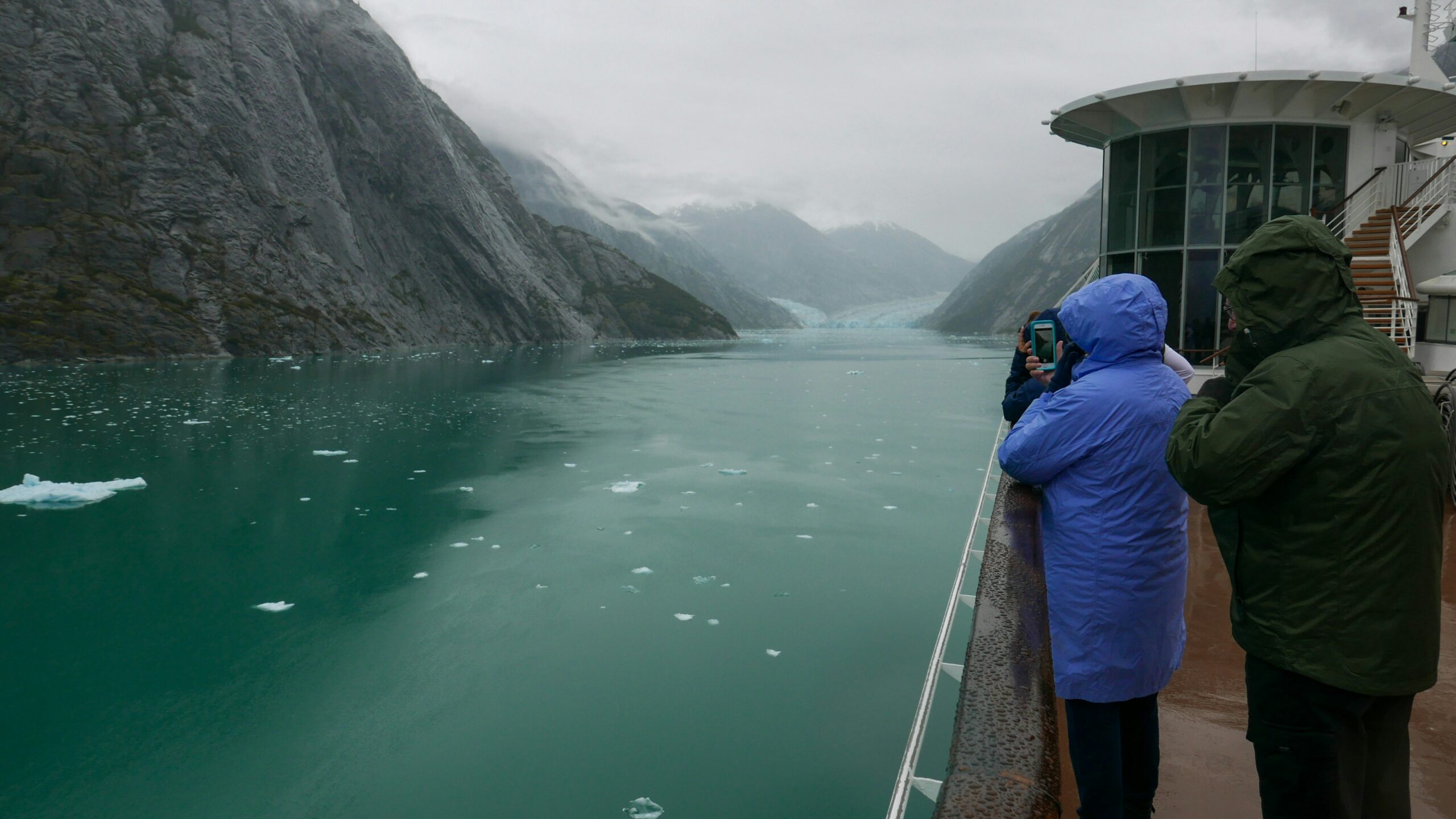
Not every Alaska cruise includes the same glacier experience, and that remains an important distinction when comparing 2027 sailings.
Depending on the cruise line and route, glacier-focused scenic cruising may include destinations such as:
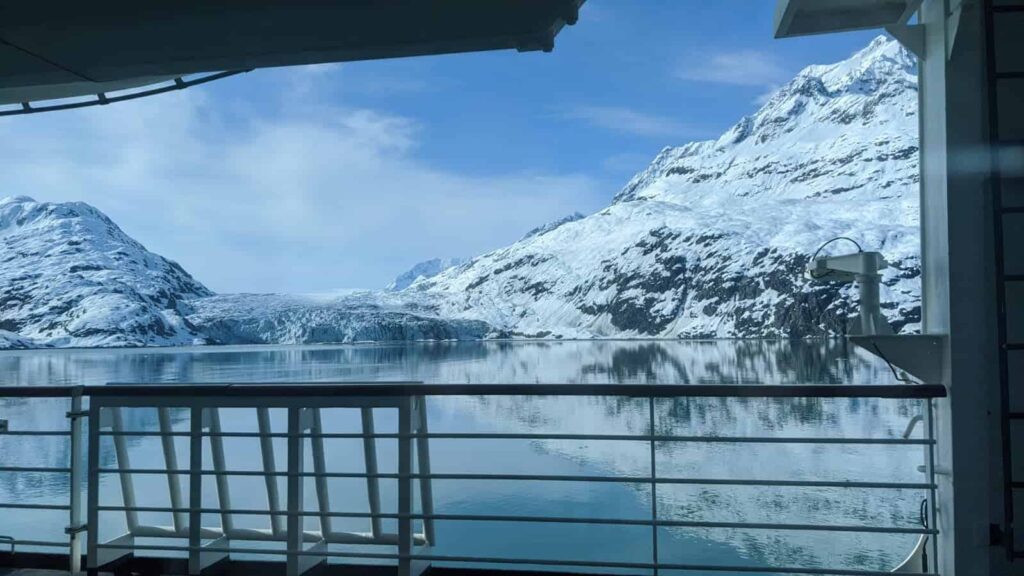
- Glacier Bay National Park — participating cruise ships typically spend most of a day in the park, and National Park Service rangers board the ship to provide interpretation and programs.
- Hubbard Glacier — a major tidewater glacier featured on select Alaska itineraries, including cross-Gulf routes.
- Endicott Arm & Dawes Glacier — fjord-based scenic cruising where the approach through the surrounding landscape is an important part of the experience.
- College Fjord — another glacier-viewing area included on select one-way Alaska itineraries.
Glacier access can also be affected by weather, ice, wildlife protections, and operating conditions. An itinerary tells you what is planned; it cannot guarantee exactly what conditions will allow once you’re there.
When Is the 2027 Alaska Cruise Season?
May through September remains the core Alaska cruise season, but some 2027 programs begin in April. For example, Holland America is scheduled to operate in Alaska from April through September, while Norwegian’s 2027 Alaska season begins in late April.
Rather than choosing a month from a generic “best time” list, I would match the sailing period to what matters most to you.
- Earlier season — cooler conditions, lingering snow at higher elevations, and fewer peak-summer travelers
- Mid-summer — very long daylight hours and the heart of the Alaska cruise season
- Later season — cooling temperatures, changing daylight, and more variable weather as the season progresses
Weather and wildlife are never completely predictable, so the month should be one part of the decision rather than the only factor.
Why Cabin Choice Matters in Alaska
Cabin choice can matter differently in Alaska because scenery is such a large part of the sailing experience. If you’re comparing categories, my guide to choosing an Alaska cruise cabin looks more closely at how scenery, availability, and the way you use the ship can affect that decision.
- Balcony cabins provide private outdoor space and convenient access to scenery throughout the day.
- Oceanview cabins provide natural light and an outside view without the balcony premium.
- Interior cabins can preserve more of the trip budget for excursions and other priorities, particularly on ships with strong public observation areas.
A balcony isn’t automatically the right choice for every traveler. The better question is how you expect to use your cabin, what the ship offers elsewhere, and where you want your trip budget to go.
Extending Your Trip Beyond the Cruise
Travelers who want to experience more than Southeast Alaska can pair certain 2027 cruise itineraries with a land portion before or after sailing.
Depending on the itinerary, that might include:
- Anchorage and Southcentral Alaska
- Alaska rail travel
- Denali National Park
- Interior Alaska destinations
This is where a one-way cruise can become particularly useful. Instead of returning to the same departure port, the cruise can serve as one part of a larger Alaska itinerary.
Flights, hotels, rail or motorcoach transportation, cruise embarkation, and land-tour timing all need to work together, so this portion benefits from being built as one trip rather than as disconnected reservations.
Common Alaska Cruise Planning Mistakes
- Choosing primarily by fare without comparing the itinerary
- Assuming all Alaska cruises offer the same glacier experience
- Waiting to think about excursions until the rest of the trip is already set
- Choosing a cabin category without considering how you’ll use the ship
- Adding a land portion without accounting for transportation and timing
Availability is another part of the planning equation. My article on why strong cruise options can disappear early explains how cabin availability, itinerary routing, and land arrangements can affect the choices that remain.
The goal isn’t to make Alaska complicated. It’s to make sure the pieces that matter to you are working together.
Choosing the Right Alaska Inside Passage Cruise
An Alaska Inside Passage cruise has several layers: departure port, sailing route, glacier access, ports, cabin choice, excursions, and potentially a land extension.
That’s why two Alaska cruises of similar length can look alike at first and still produce very different trips.
If you’re still comparing cruise styles, you can explore the types of cruises I work with before narrowing down a particular ship or itinerary.
If Alaska is on your list for 2027 or beyond, tell me what you want most from the trip — glaciers, wildlife, scenery, time ashore, a land extension, or simply an easier way to sort through the choices. We can start there.