

2026 Travel Isn’t Slowing Down — It’s Separating Smart Planners From Everyone Else
Travel in 2026 is not slowing down. It is settling into a more deliberate rhythm—one where demand remains strong, options appear abundant, and the difference between a smooth trip and a stressful one often comes down to how early and how thoughtfully it is planned.
For travelers, this shift matters. Availability still exists—but not evenly. Pricing still fluctuates—but predictability increasingly favors those who plan ahead. And while technology makes inspiration instant, successful travel outcomes now depend on judgment, pacing, and experience-led design.
This is what travel in 2026 actually looks like—and why planning is no longer optional.
Travel Demand Is High — and the Baseline Has Changed
Global travel volumes continue to climb, with international and domestic demand stabilizing at a higher baseline than before. Travel is no longer in recovery mode; it has entered a new normal where popular options fill earlier and flexibility is unevenly distributed.
What has changed is not the desire to travel—but how availability behaves. Preferred sailings, ideal cabin categories, and well-paced itineraries are selected earlier in the planning cycle. Travelers who wait are rarely shut out completely, but their choices narrow quickly.
Industry reporting supports this shift. According to
AAA
,
cruise travel is projected to reach another record year in 2026. Data from the
U.S. National Travel and Tourism Office
also shows international travel demand stabilizing above pre-pandemic levels. Research published by
Expedia Group
highlights that travelers are planning earlier and more intentionally to secure better options and pacing.
The 2026 Traveler Is More Intentional
Today’s travelers are prioritizing quality over quantity. Instead of rushing through destinations, many are choosing fewer stops, longer stays, and itineraries built around rest, culture, and personal meaning.
Trips are increasingly shaped around why someone is traveling—not just where. This shift favors planners and challenges last-minute decision-making.
AI Supports Planning — It Doesn’t Replace Judgment
Artificial intelligence now plays a significant role in travel research and inspiration. It can surface options quickly and compare variables efficiently, but it cannot assess pacing, seasonal risk, crowd flow, or how an itinerary will actually feel once it is being lived.
In 2026, the strongest trips blend technology with experience. AI supports the process. Human judgment completes it.
Cruising Is Driving 2026 Travel — With Different Outcomes
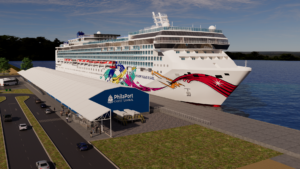
Cruising remains one of the strongest segments of the travel industry in 2026—but not all cruise experiences serve the same purpose.
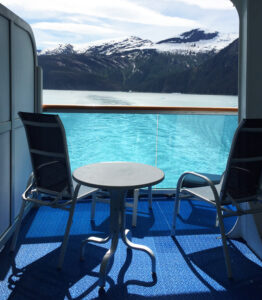
High-volume itineraries such as the Caribbean, Bahamas, Mexico, and Alaska continue to dominate demand. At the same time, destination-rich sailings—including the Eastern Mediterranean, Japan, Northern Europe, and Canada & New England—are attracting travelers who value depth, culture, and pacing.
In both cases, ship selection, sailing date, and advance planning determine the experience. Early planning preserves flexibility that late decisions often cannot.
Destinations Gaining Ground Without the Crowds
Another defining trend in 2026 is the rise of secondary cities and under-the-radar regions—places that offer culture and beauty without overwhelming congestion.
- Southern Italy beyond Rome, including Salerno
- Portugal beyond Lisbon, such as Madeira
- Japan beyond Tokyo, with regional cultural hubs
- Costa Rica’s Caribbean coast, including Limón
These destinations reward travelers who plan before they trend.
Wellness Travel Is About Outcomes, Not Amenities
Wellness travel in 2026 focuses less on spa menus and more on outcomes—rest, balance, and recovery. Travelers are choosing fewer hotel changes, more time in nature, and gentler pacing.
Without thoughtful planning, even a wellness-focused trip can feel rushed. Intention—not indulgence—makes the difference.
What Smart Planning Looks Like in 2026
- Start with how you want to feel, not just where you want to go
- Choose ships, sailings, and seasons intentionally
- Integrate land experiences into the plan—not as an afterthought
- Leave margin for rest, weather, and flexibility
Planning Isn’t About Control — It’s About Confidence
Travel in 2026 rewards clarity. Travelers who plan early enjoy more choice, better pacing, and fewer surprises. Last-minute travel still exists—but it is narrower, less flexible, and often more stressful.
Thoughtful planning delivers confidence—before you ever pack a bag.