

There’s a quiet irony in most milestone trips: the person who plans the celebration is usually the one who doesn’t get to enjoy it.
You know the type, because you might be the type. The one who books the dinner, tracks everyone’s flights, keeps the spreadsheet, smooths over who’s rooming with whom, and quietly fronts the deposit. They spend the 50th anniversary or the big birthday or the family reunion managing it — and somewhere around day three they realize they’ve been working through the very thing they were supposed to be celebrating.
A milestone trip is the one vacation where being present matters most. So let’s talk about how to plan one you actually get to be in.
A Milestone Trip Isn’t Just a Bigger Vacation
It’s tempting to treat an anniversary or a landmark birthday like a regular trip with a nicer dinner attached. But milestone travel usually asks more of the person putting it together.
There’s emotion in it. Often there are more people — and more opinions, budgets, ages, and energy levels to reconcile. And there’s usually a sense that this particular celebration matters in a way an ordinary getaway doesn’t. You don’t get another 25th anniversary or another chance to celebrate someone’s 80th birthday for the first time.
That combination is what makes milestone trips rewarding when they’re planned thoughtfully — and exhausting when too much responsibility lands on one person.
Why They Go Wrong
When a milestone trip disappoints, the destination isn’t always the problem. The trouble often starts with how the trip was organized. Many of the same issues appear among the travel planning mistakes that can quietly limit a trip before it even begins:
- The planner burns out. One person absorbs all the logistics and arrives exhausted, frustrated, or both. Sometimes the guest of honor is also the planner, which means the person being celebrated is still managing everyone else.
- Too many cooks. Group decision-making gets difficult quickly when everyone has a different vision and nobody has clear responsibility for moving decisions forward.
- The money conversation happens too late. Nobody wants to be the person raising budgets, who-pays-for-what, or what happens when travelers want different room categories. Leaving those conversations until after plans are underway can make them much harder.
- The big moment gets no room to breathe. It’s easy to pack the schedule so tightly that the actual celebration — the toast, the anniversary dinner, the family photo, the renewal of vows — gets squeezed between everything else.
How to Do It Right
A few principles I come back to when helping with milestone travel also apply when you’re deciding how to plan a vacation around the people actually taking it:
- Decide what the one non-negotiable is. Maybe it’s the anniversary dinner with the view, everyone together for one photo at sunset, or simply having the grandparents and grandkids in the same place. Name that priority first. Then build the trip to protect it instead of treating every activity as equally important.
- Plan around the people, not just the itinerary. A trip that includes a 4-year-old and a 78-year-old needs enough flexibility for different energy levels and interests. Shared time matters, but that doesn’t mean everyone has to do everything together.
- Give the logistics a clear point of contact. This is where outside planning support can make a meaningful difference. Instead of every traveler trying to coordinate bookings, changes, questions, and payments with each other, there’s one place for those details to go. The family planner gets to spend less time acting as the group’s travel coordinator.
- Leave deliberate white space. Some of the best moments on a milestone trip happen between the scheduled ones. Give people enough room to enjoy them.
Why a Cruise Can Work So Well for Milestone Travel
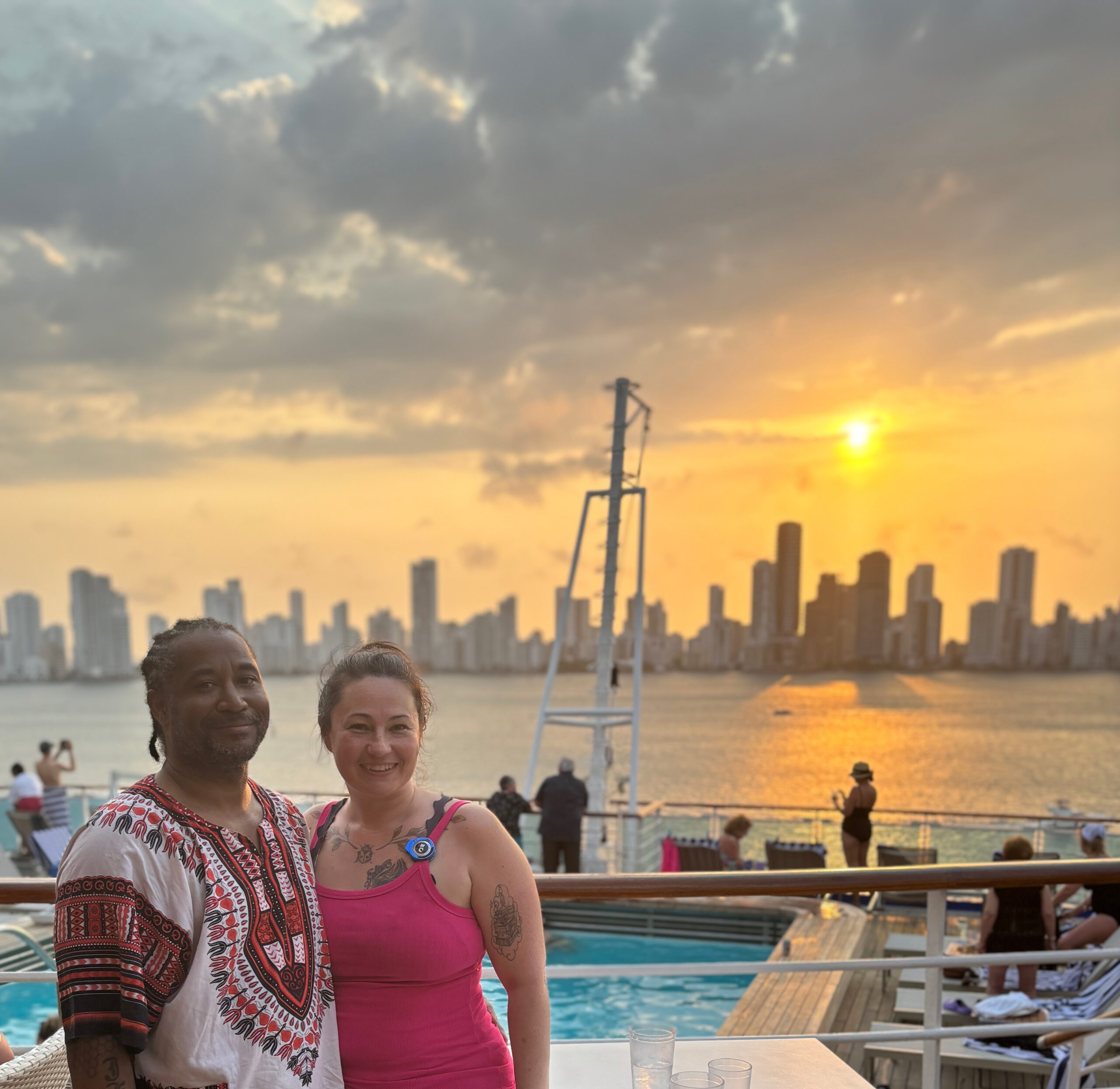
I’m cruise-first, and milestone travel is a big part of why. For some multigenerational groups, a cruise can solve several planning challenges at once.
Everyone travels together while still having their own space. Teenagers, grandparents, couples, and families can choose different ways to spend part of the day and still come back together for dinner or the celebration that brought everyone together.
You’re also not moving the entire group and its luggage from hotel to hotel. Dining, entertainment, accommodations, and gathering spaces are all in one place, while the itinerary brings different destinations into the trip.
That doesn’t mean every cruise is automatically right for every milestone. Ship choice, cabin location, itinerary, accessibility, dining, group needs, and what’s included in the fare can all matter. That’s why I compare the whole experience rather than recommending a cruise simply because it’s convenient.
If a cruise sounds like it might fit your celebration, you can explore the types of cruises I work with and see how different cruise styles can shape the trip.
Cruises aren’t the only way to do a milestone well. But for a group with different ages, interests, and a shared reason to be together, the format can provide a useful balance between time together and room to do your own thing.
The Part I Handle
Here’s the reason to bring me into a milestone trip: it isn’t because you couldn’t book it yourself. You probably could. You may have been the person booking everything for everyone for years.
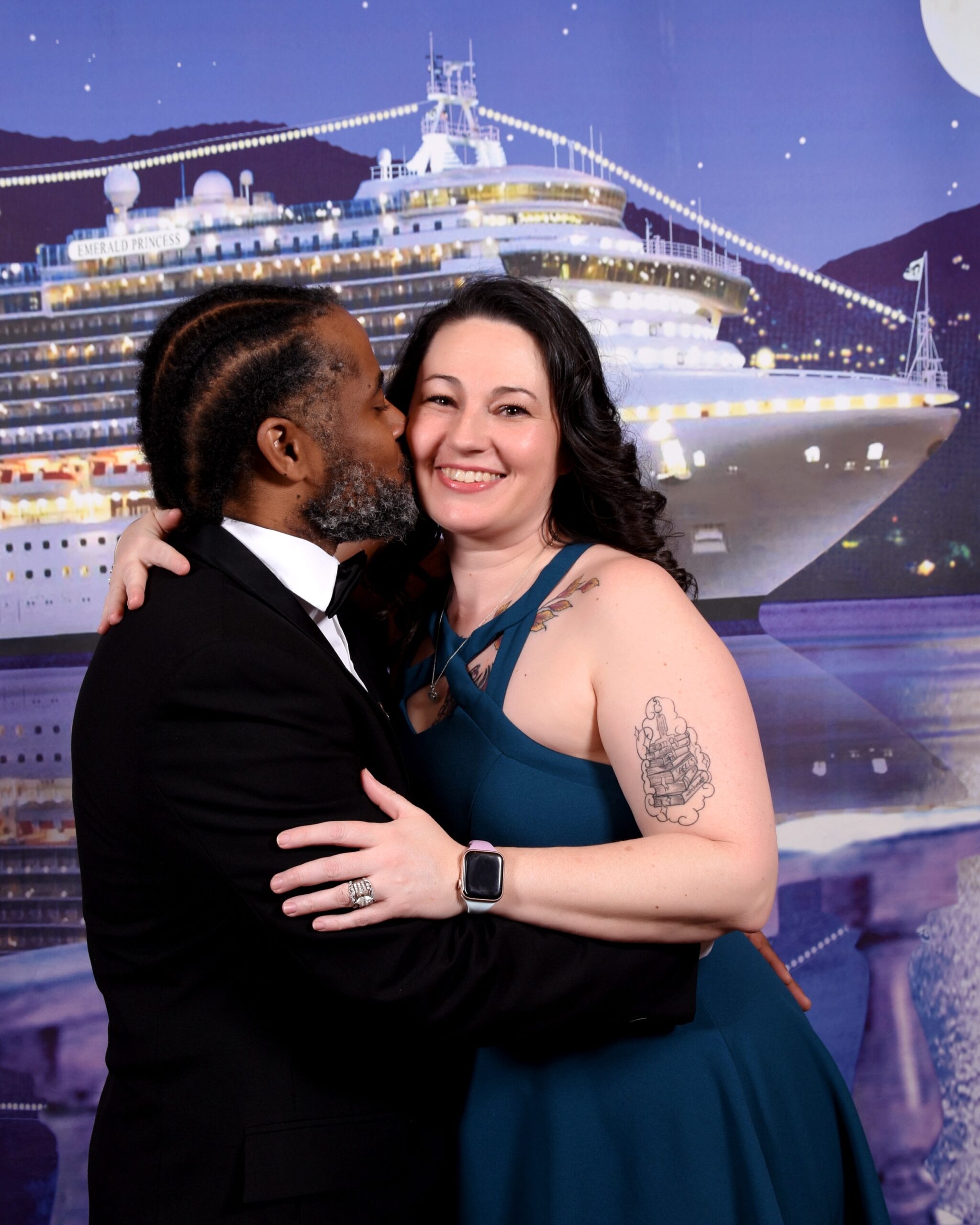
It’s so that this time, you don’t have to carry all of it.
I help compare the options, coordinate the pieces, manage changes, and build the trip around what matters most to the people celebrating. Instead of spending the trip checking reservations and answering everyone’s questions, you have someone else helping carry the planning load.
That’s the whole idea. A milestone is worth marking. You should get to be present when it happens.
If you’re thinking about an anniversary, milestone birthday, family celebration, or another trip that needs to bring people together, tell me what you’re considering. We can start with the people, the occasion, and what you want the trip to feel like.