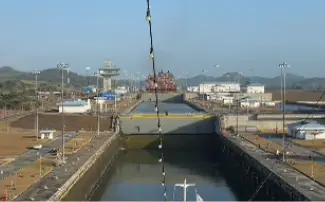
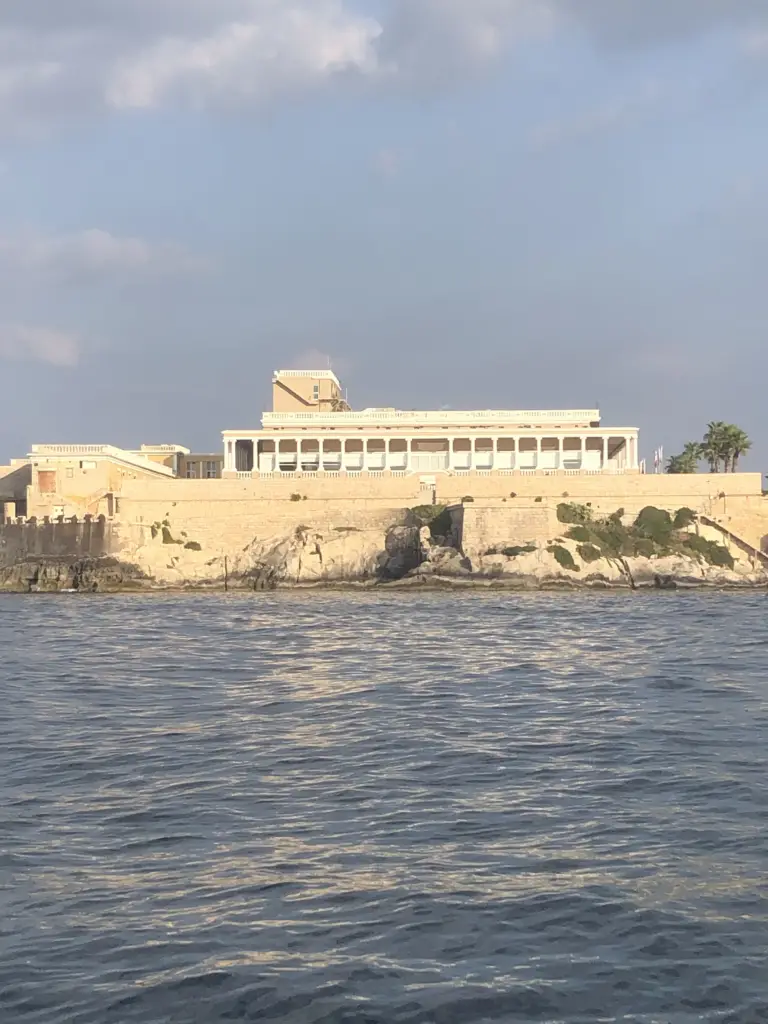
Most people plan a Mediterranean cruise around the places they already know they want to see — Santorini, maybe Mykonos, a day in Rome. Then they treat everything in between as filler. Malta can easily fall into that “in between” pile.
I think that’s backwards, and I’ll admit my bias up front: Malta is personal for me. The first time I set foot on the island I felt an unexpected sense of belonging — like I’d come home to a place I’d never actually lived. I’ve since watched travelers step off the ship expecting a quick stretch-your-legs port and return hours later wishing they’d had more time.
So let me be the one who tells you: don’t overlook Malta.
But this isn’t only about Malta. It’s about how to think about a Mediterranean cruise so the whole trip works — the ports, the pacing, and the reason you’re seeing all of it from a ship in the first place.
The Mediterranean Was Made for Cruising
I plan a lot of different trips, and land travel in Europe is something I can absolutely do. I’m just honest with people about the trade: seeing several Mediterranean destinations by land can mean trains, transfers, changing hotels, and packing and unpacking as you move from one place to another.
A cruise changes that equation. You unpack once. The ship does the moving while you sleep, and you can wake up to a different harbor, country, language, or landscape without moving your luggage from hotel to hotel.
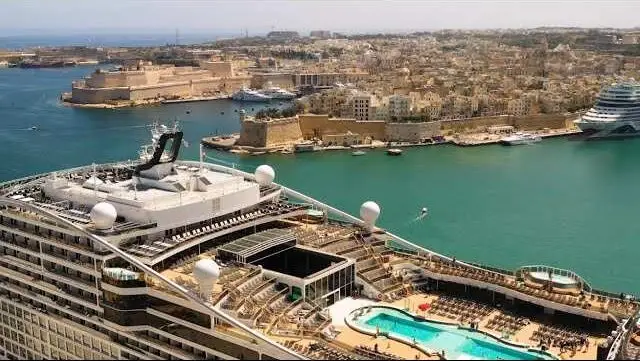
That’s one of the reasons the Mediterranean works so well by ship. It lets you experience several distinct destinations while keeping one home base throughout the trip.
Malta — The Port People Underestimate
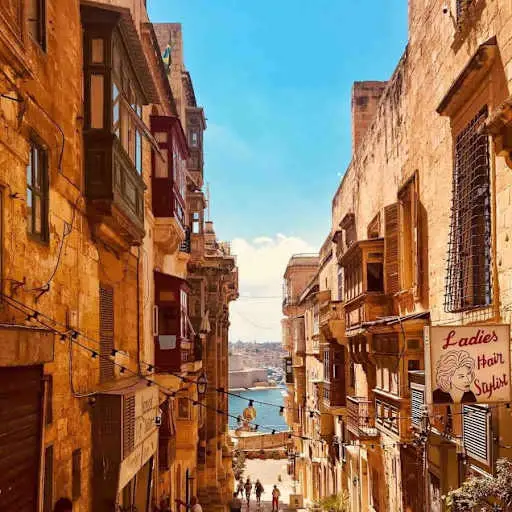
Here’s what doesn’t always come across on an itinerary page: arriving in Valletta by water is part of the experience. The Grand Harbour is surrounded by the fortified landscape that reflects centuries of Maltese history, including the long influence of the Knights of St. John.
Then there’s the practical advantage. Valletta is a compact historic capital, and its city center is close to the cruise port. Instead of spending a large part of your port call simply reaching the destination, you can begin exploring relatively quickly after leaving the ship.
That’s why I pay attention to how many hours an itinerary actually gives you in Malta. A shorter call can still provide time to experience Valletta, but a longer stay gives you more flexibility to explore without watching the clock quite so closely.
When I’m comparing Mediterranean itineraries, I don’t look only at whether Malta appears on the port list. I look at how much usable time the itinerary gives you once you’re there.
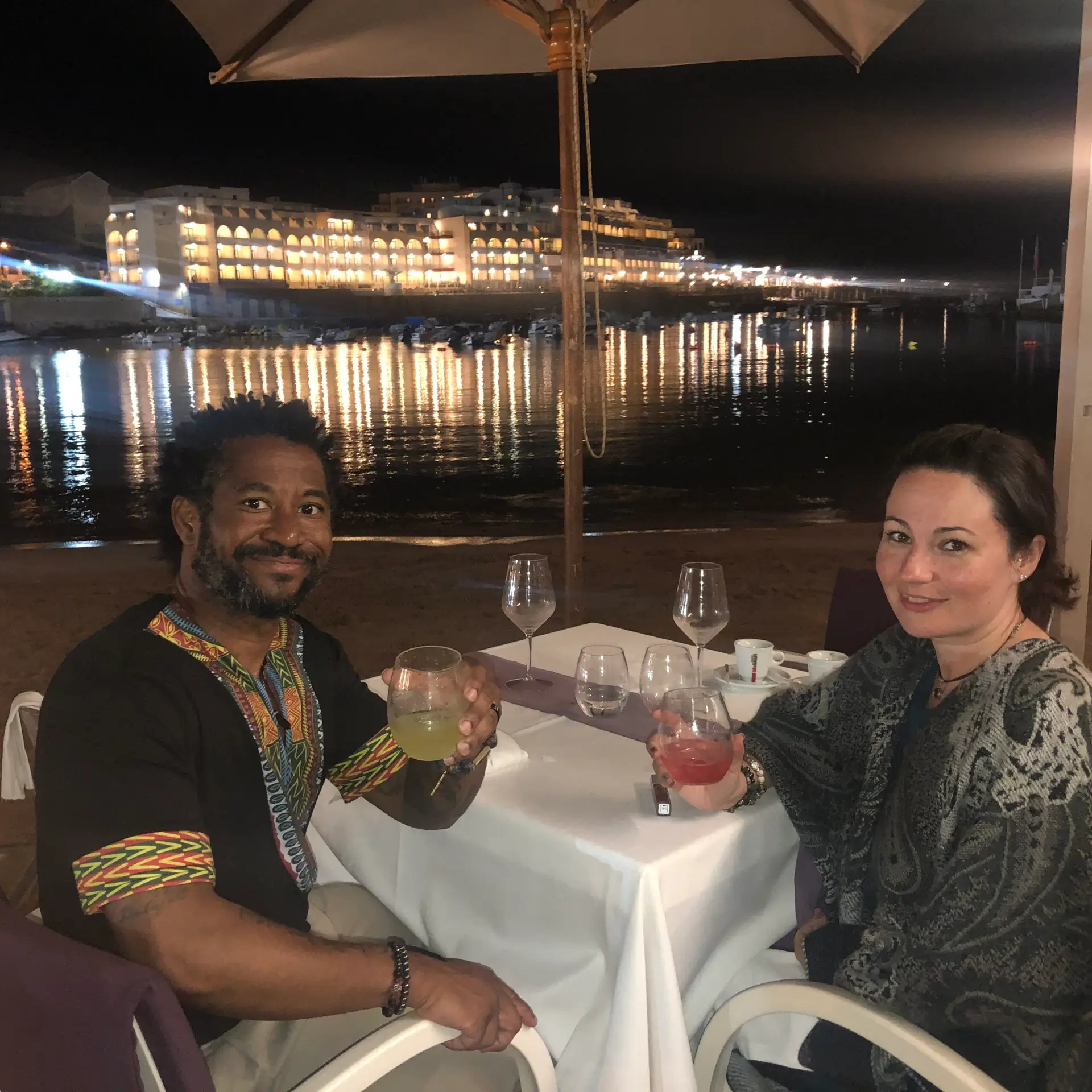
That feeling of belonging never quite left me. Years later, on a whim, I took a DNA test that came back with a trace of Maltese ancestry. A tiny thing, but for me it felt like the island quietly confirming what I’d already felt standing in that harbor.
What I’d Bring Home From Malta
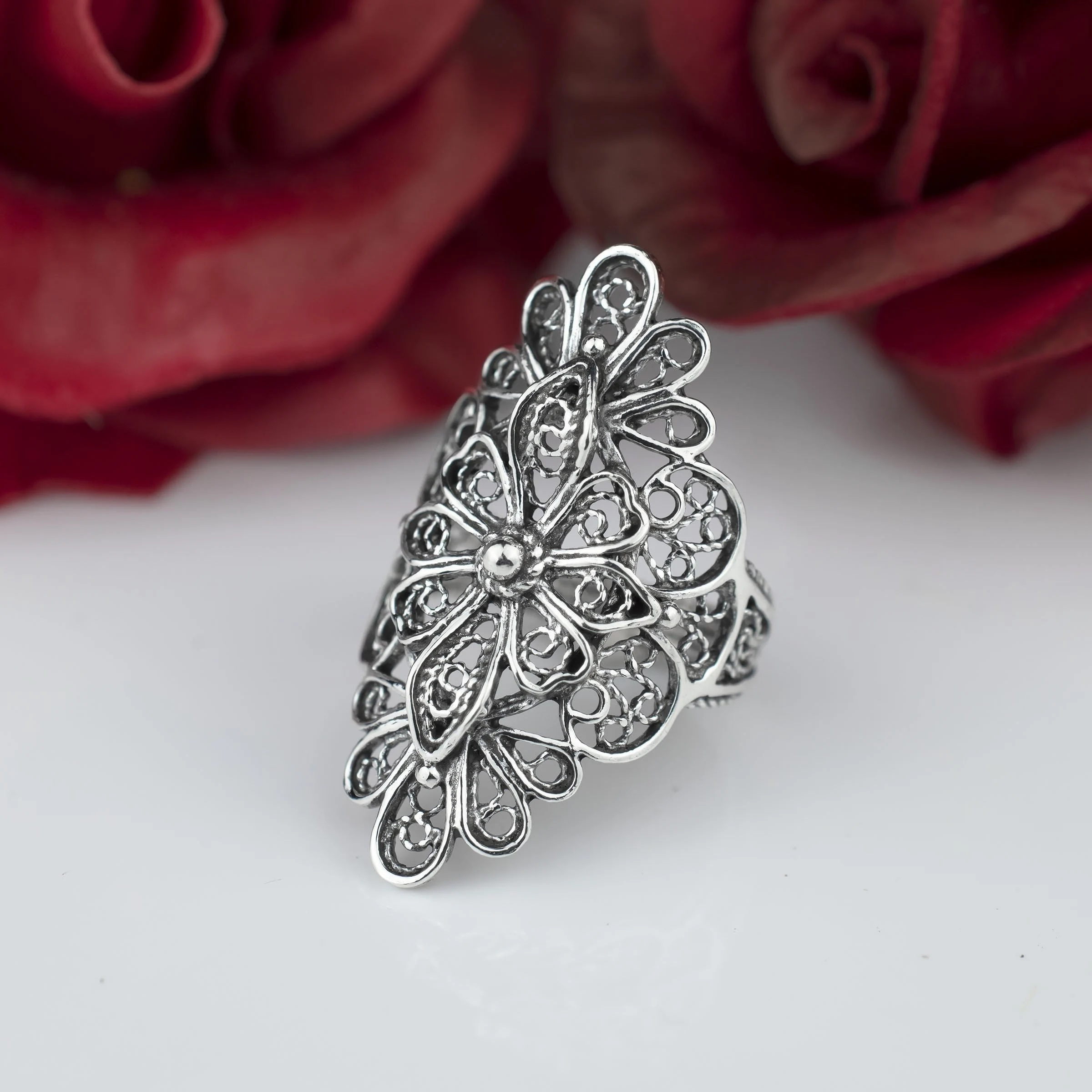
So when someone asks what I’d bring home from Malta, I tend to steer them toward something connected to the islands rather than a generic souvenir.
Maltese lace, known as bizzilla, and intricate filigree jewelry are two examples of traditional craftsmanship associated with Malta. If you’re celebrating an anniversary, honeymoon, or another milestone, a handcrafted piece can become the kind of souvenir that still means something years after the trip is over.
I’d also look for local flavors you may not encounter often at home. One is bajtra, a sweet liqueur made from prickly pear. It’s the kind of thing I like trying while I’m actually in the destination — not because you need to bring a bottle home, but because food and drink can be part of remembering where you’ve been.
Greece — Beautiful, But Get the Cruise Lens Right
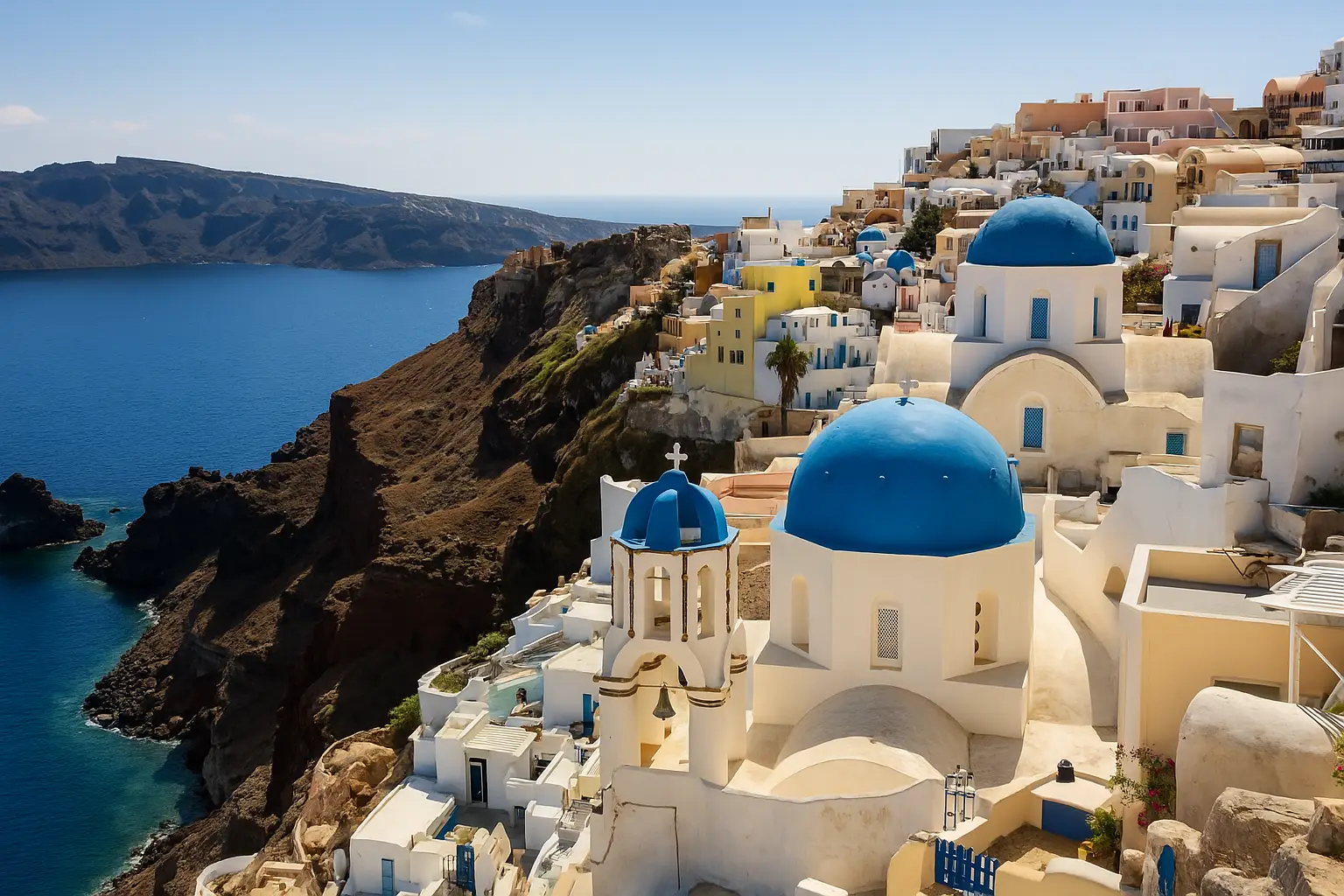
Greece is what sells the Mediterranean to many first-time cruisers, and for good reason. But the experience ashore can look very different from the brochure once you factor in port logistics, other ships arriving the same day, and the number of people trying to see the same places.
Santorini is a good example. It’s one of the Mediterranean’s best-known cruise destinations, which also means your day can overlap with thousands of other cruise visitors. The view may be exactly what you hoped for, but how you organize your time ashore matters.
That’s why I look beyond the destination name. I want to know when the ship arrives, when it leaves, what else is happening in port that day, and how those details affect what you realistically have time to do. Looking only at the headline destination instead of those underlying details is one of the travel planning mistakes that can quietly limit your options.
Athens has its own logistical considerations. Cruise ships use the port of Piraeus, so visiting central Athens and sites such as the Acropolis requires accounting for the trip between the port and the city. It’s absolutely manageable — but it’s another example of why the name printed on an itinerary doesn’t tell you everything about the day you’ll actually have.
How to Actually Choose a Mediterranean Cruise
If you take nothing else from this, take this: don’t choose your cruise by one headline destination. Look at the entire itinerary and the details underneath it.
A few things I look at before recommending a Mediterranean cruise:
- Which part of the Mediterranean you’re actually seeing. An itinerary focused on Greece and the eastern Mediterranean can feel very different from one built around Italy, France, Spain, or the western Mediterranean. Decide what kind of trip you want before trying to fit every famous destination into one sailing.
- How each port operates. Some calls allow relatively straightforward access ashore, while others require additional transportation or tender operations. Those logistics affect how much usable time you really have.
- Hours in port, not just the port list. Two itineraries can include the same destination and still give you very different experiences. Arrival and departure times matter.
- When you’re traveling. Summer is a major Mediterranean travel season, and popular destinations can be busy. Spring and fall sailings can offer a different experience, but weather, daylight, operating schedules, and cruise availability vary by destination and date. I compare those tradeoffs rather than assuming one month is automatically best.
- The ship itself. The itinerary matters, but so does the place you’ll return to every evening. Ship size, atmosphere, dining, cabin choices, and onboard experience can change how the entire trip feels.
The Part I Handle for You
None of this is meant to make a Mediterranean cruise sound complicated. It’s meant to show you where the differences actually are.
The booking page can show you a ship, a price, and a list of ports. It doesn’t necessarily show you which itinerary gives you better time ashore, which ports require more planning, whether the ship fits the way you like to travel, or where the tradeoffs are hiding.
That’s the work I handle in the background. I compare the pieces together so you don’t have to make every decision based on a destination name or a price on a screen.
Then, when you’re standing in Valletta’s harbor or looking toward the Acropolis, you can spend less time thinking about the logistics that got you there and more time actually being there.
If a Mediterranean cruise is somewhere on your list — whether you’re ready now or you’re still figuring out what the trip should look like — tell me what you’re considering. We can start there.