
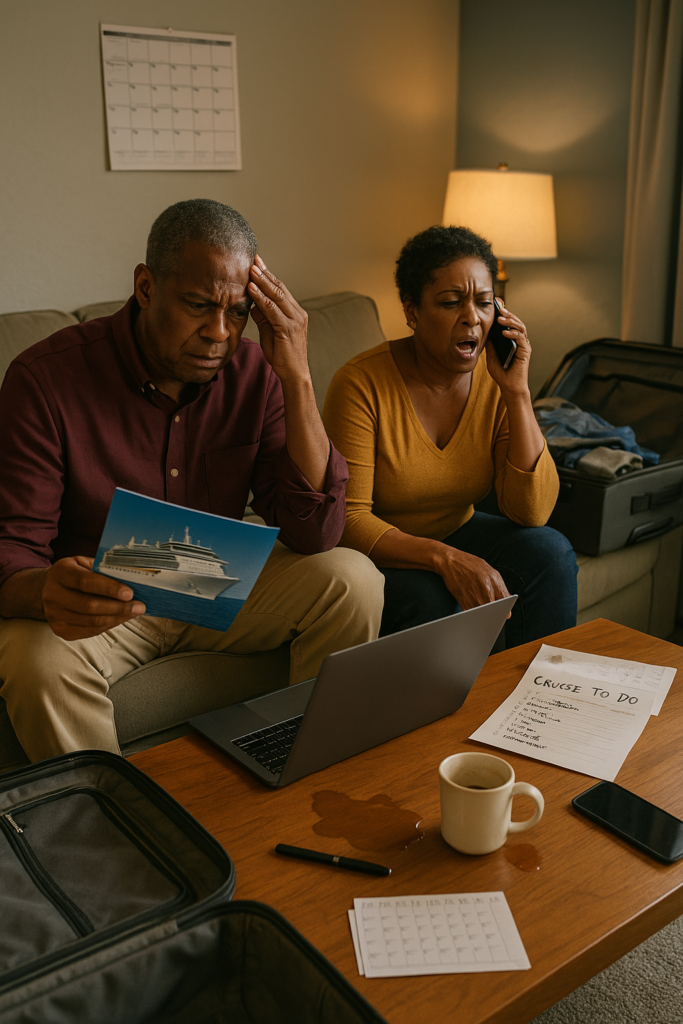
A cruise can look perfect when you’re comparing ships and itineraries online and still feel completely different once you’re onboard.
That doesn’t necessarily mean there was anything wrong with the cruise. Sometimes the problem is simply a mismatch between what the traveler expected and the experience the ship, itinerary, cabin, and schedule were actually designed to provide.
Choosing a cruise is about more than finding a destination you want to visit. The better question is whether the entire sailing fits the way you want to travel.
The Ship Can Change the Entire Cruise Experience
Two cruise ships sailing to similar destinations can provide very different vacations.
Some ships are designed around large-scale entertainment, attractions, nightlife, and a wide range of onboard activities. Others emphasize quieter spaces, destination-focused itineraries, smaller passenger counts, or a more traditional style of cruising.
Neither approach is automatically better.
What matters is whether the ship’s design and atmosphere match what you expect to do during the trip.
If you picture quiet mornings, relaxed evenings, and plenty of time watching the scenery, a ship built primarily around high-energy entertainment may not feel like the vacation you imagined. The reverse can also be true for travelers who expect constant activity and choose a ship with a quieter onboard experience.
The Itinerary Is More Than a List of Ports
It is easy to compare cruises by looking at the destination names and number of ports.
But the actual rhythm of an itinerary matters just as much.
Look at:
- How many sea days are included
- How early the ship arrives in port
- How long the ship stays
- Whether ports require tendering
- How much transportation may be needed to reach the places you want to see
- Whether several demanding port days occur back to back
A port-intensive itinerary may be ideal for someone who wants to spend as much time ashore as possible. For another traveler, the same itinerary can feel exhausting.
The destination may be identical. The experience is not.
Your Cabin Can Matter More Than You Expect
A cabin isn’t simply where you sleep. Its location, category, layout, and proximity to other areas of the ship can influence how comfortable the cruise feels.
That becomes particularly important on scenic itineraries, longer sailings, or trips where you expect to spend more time in your stateroom.
For example, choosing an Alaska cruise cabin involves more than comparing interior, ocean-view, and balcony prices. How you expect to experience the scenery and use the ship should be part of the decision.
Location also matters. Cabins near elevators may be convenient. Cabins beneath busy public areas may experience more activity. Travelers concerned about motion may prefer particular areas of the ship.
The least expensive cabin can be the right choice, but price alone doesn’t tell you whether the cabin fits the way you plan to travel.
Sea Days Are Part of the Vacation
Travelers sometimes focus almost entirely on the ports and treat sea days as empty spaces between destinations.
But sea days can make up a significant portion of a cruise.
If your itinerary includes several of them, consider whether the ship offers the kind of experience you want during that time.
For some travelers, sea days mean relaxing by the pool, reading, enjoying meals, attending shows, or simply slowing down. Others prefer a ship with a long list of activities and entertainment throughout the day.
Understanding how you feel about time onboard can help determine whether a particular itinerary is a good fit.
Port Days Can Be More Demanding Than They Look
A cruise itinerary can make visiting several destinations look effortless because the ship handles the transportation between them.
But the days themselves may still involve early mornings, long excursions, considerable walking, transportation from the port, changing weather, and several active days in succession.
That is why pacing matters.
You don’t have to fill every hour in every port to make the cruise worthwhile. Sometimes choosing fewer activities creates a better overall experience than trying to maximize every minute ashore.
Not Every Cruise Line Includes the Same Things
The advertised cruise fare doesn’t always represent the complete cost of the experience you have in mind.
Depending on the cruise line and fare, additional expenses may include:
- Specialty dining
- Wi-Fi
- Beverage packages
- Gratuities or service charges
- Shore excursions
- Transportation before and after the cruise
- Certain onboard activities or services
Other cruise lines may include more of those elements in the fare.
Comparing only the starting price can therefore create the wrong expectation about both cost and experience.
Small Details Can Have a Large Effect
Some cruise disappointments aren’t caused by the ship or itinerary at all. They come from details that weren’t considered before departure.
That can include arriving in the embarkation city too late, overlooking travel-document requirements, misunderstanding dining arrangements, choosing excursions that don’t match your abilities or interests, or bringing the wrong things for the itinerary.
For first-time cruisers especially, a practical cruise packing checklist can help separate what is genuinely useful from the long lists of cruise gadgets travelers are often told they need.
The goal isn’t to plan every minute. It’s to understand the parts of the trip that can materially affect your experience.
The Best Cruise Is the One That Fits the Traveler
There isn’t one cruise line, ship, itinerary, or cabin that is right for everyone.
A traveler who loves a large ship filled with entertainment may be disappointed on a quieter vessel. Someone who wants destination immersion may find an itinerary with limited time ashore frustrating. A traveler looking for rest may discover that a port-intensive sailing feels more like a schedule than a vacation.
That’s why cruise planning should begin with the experience you want rather than with whichever sailing happens to appear first in a search.
If you’re still comparing the possibilities, you can explore the different types of cruises I work with and see how the experience can vary across cruise styles.
Set the Right Expectations Before You Sail
A disappointing cruise isn’t always a bad cruise.
Sometimes it is a perfectly good sailing that wasn’t the right fit for the traveler who booked it.
Before choosing a cruise, look beyond the destination and starting price. Consider the ship, itinerary, cabin, pace, time in port, onboard atmosphere, and the details surrounding the sailing.
The closer those pieces match the way you actually want to travel, the more likely the cruise is to feel like the vacation you expected.